


If you ask a child why they love a book, they usually don’t say, “The narrative structure was compelling.”
They say, “I like the pictures.”
That’s the truth about children’s books. The illustrations are not decoration. They are half the storytelling, sometimes more. The style you choose can completely change how a story feels, how it’s understood, and even how well it sells.
Understanding children’s book illustration styles is less about art theory and more about emotional connection. The right style makes a book feel natural. The wrong one makes it feel slightly off, even if nobody can explain why.
Why Illustration Style Matters More Than People Expect
Children experience stories visually before they process language. That’s especially true for early readers who rely on images to interpret mood, action, and emotion.
There’s also a practical side. Covers drive attention. Bright, expressive visuals increase engagement. Many purchasing decisions are made within seconds of seeing artwork.
The children’s publishing market is worth billions globally, and illustrated books dominate early childhood categories. That isn’t coincidence. It’s because visuals create memory. People often remember the art from childhood books decades later, even when they forget the text.
Choosing the right style is not just creative. It’s strategic.
The Most Common Children’s Book Illustration Styles
One thing new authors often worry about is whether they need a specific “correct” style. The truth is, there isn’t one. Different stories call for different visual languages.
Cartoon-style illustration is probably the most recognizable. It uses exaggerated expressions, bold lines, and playful proportions. This works especially well for humor, adventure, and younger audiences because emotions are easy to read.
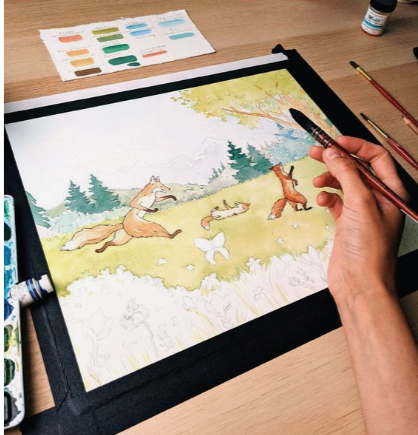
Watercolor illustration feels softer and more emotional. You see it often in bedtime stories or gentle narratives. The textures create warmth, which helps with calming, comforting themes.
Digital illustration is now extremely common. It offers flexibility, vibrant colors, and easier revisions. Many modern children’s books use digital techniques, even when the final look mimics traditional paint.
Realistic or semi-realistic styles appear more often in educational books or stories meant for slightly older readers. They help create immersion when accuracy matters.
Some books use mixed media, combining textures, collage elements, or hand-drawn lines with digital coloring. These styles often feel artistic and distinctive.
The important part isn’t which category you choose. It’s whether the style matches the emotional tone of the story.
Matching Style With Story
Imagine a silly story illustrated with dark, dramatic realism. It would feel strange.
Now imagine a serious story about grief illustrated with overly goofy characters. Same problem.
The visual tone should support the emotional tone. When they align, readers feel it instantly, even children who cannot explain why.
Age group also matters. Younger readers respond strongly to simple shapes and high contrast. Older children enjoy more detail and layered environments.
These decisions influence how long a child stays engaged with the book.
The Business Side Most People Ignore
Illustration style doesn’t just affect readers. It affects marketing.
A recognizable visual identity can help a book stand out in crowded online marketplaces. Covers influence click-through rates. Consistent style strengthens branding across websites, social media, and promotional materials.
At Story Bridge Agency, we often help authors think through illustration choices from both creative and positioning perspectives. A beautiful illustration that doesn’t match the target audience can make marketing harder. When visuals and audience expectations align, promotion becomes smoother and more effective.
Art and strategy are more connected than people assume.
A Few Interesting Facts About Children’s Book Illustrations
Children tend to notice facial expressions before background details, which is why character emotion is so important. Bright colors increase engagement for early readers, especially under age six. And many bestselling picture books contain between 25 and 40 illustrations, depending on layout.
These aren’t just artistic preferences. They reflect how children process visual information.
Final Thoughts
Children’s book illustration styles are tools, not rules.
There is no single right approach. What matters is authenticity, emotional clarity, and consistency. When the style supports the story, readers feel it. When it doesn’t, something feels off.
If you’re creating a children’s book, take time exploring visual direction. The artwork may become the part readers remember longest.
FAQs
What is the most popular children’s book illustration style?
Cartoon and digital styles are currently very popular because they are expressive and adaptable. However, popularity depends on genre and audience.
How do I choose the right illustration style for my book?
Consider the story’s tone, target age group, and emotional themes. The style should support the mood, not compete with it.
Can different styles work within the same book?
Usually consistency is best. Mixing styles can confuse readers unless it’s done intentionally.
Are digital illustrations better than traditional ones?
Neither is better. Digital is more common for production reasons, but traditional styles are still widely used.
Do illustration styles affect book sales?
Yes. Covers and visuals strongly influence purchasing decisions, especially in children’s categories.
