
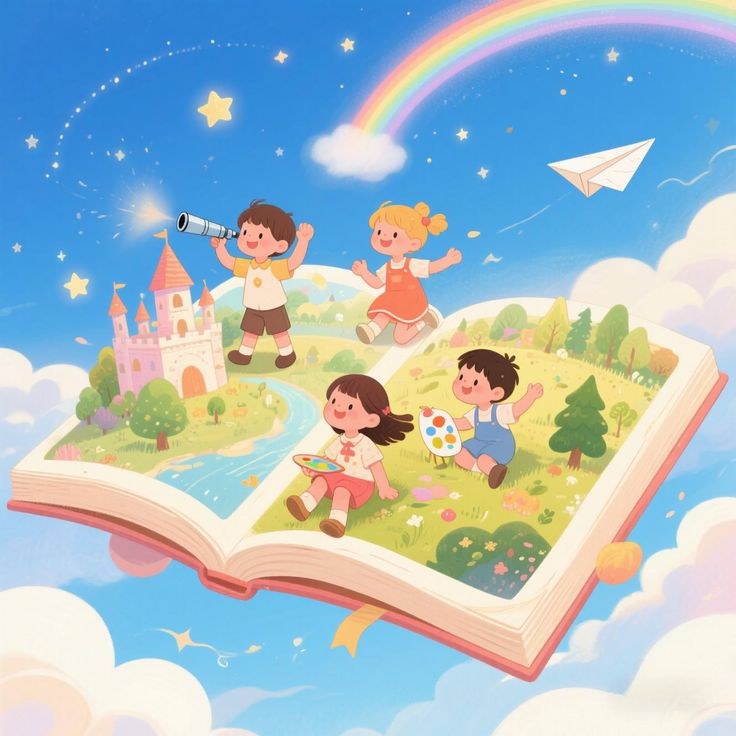
Ask any adult about their favorite childhood book and watch what happens.
They do not start by quoting the text.
They start by describing the pictures.
The giant peach.
The hungry caterpillar.
The messy room where monsters lived.
That is the power of children’s book illustrators. They do not just decorate a story. They create the world the story lives in.
If you are an author working on a children’s book, choosing the right illustrator is one of the biggest decisions you will make. Sometimes it matters even more than the words themselves.
Let’s talk about why.
Why Illustrations Matter More Than You Think
Children experience stories differently from adults.
Adults read words.
Kids read pictures first.
Research shows that visual storytelling helps children develop comprehension, memory, and emotional understanding faster than text alone. In fact, picture books are often used in early education because illustrations help connect meaning to language.
Another interesting fact: the global children’s book market is worth billions of dollars, and illustrated books dominate early reader categories. That is not a coincidence. It is because visuals create engagement.
A strong illustrator can:
● Capture attention instantly
● Build emotional connection
● Support learning and comprehension
● Make a book memorable
A weak illustrator can make even a great story feel flat.
What Children’s Book Illustrators Actually Do
Many people think illustrators just “draw pictures.” That is like saying chefs just “cook food.”
Illustrators interpret your story.
They decide:
● Character expressions
● Scene atmosphere
● Color mood
● Visual pacing
● Page composition
They control how a child feels while reading.
A bedtime story might need soft colors and gentle lines. A funny adventure might need exaggerated expressions and bold movement. Educational books need clarity and structure.
This is why finding the right illustrator matters so much.
Different Styles of Children’s Book Illustration
Not every children’s book looks the same, and that is a good thing.
Some common styles include:
Cartoon Style
Bright, playful, and expressive. Great for younger audiences.
Watercolor Style
Soft and emotional. Often used for bedtime stories and classic themes.
Digital Illustration
Modern, vibrant, and flexible. Popular for contemporary books.
Realistic Illustration
More detailed and lifelike. Common in educational or historical books.
The style should match your story, not just your personal taste.
How to Choose the Right Illustrator
Here is the honest truth. The best illustrator is not always the most famous one. It is the one who understands your story.
When evaluating children’s book illustrators, look for:
Portfolio consistency
Ability to show emotion
Character personality
Scene storytelling
Understanding of age group
If you are creating a book for toddlers, the art should look very different from a book for middle-grade readers.
The Author–Illustrator Relationship
This part is important and often overlooked.
Illustration is collaboration.
Good communication makes the process smooth. Clear expectations prevent frustration. Respect for creative input leads to better results.
Some authors try to control every detail. That usually backfires.
A skilled illustrator brings ideas you may not have considered. Trust matters.
Where Story Bridge Agency Fits In
At Story Bridge Agency, we work with authors who are navigating both creative and publishing decisions. That includes helping them understand how illustration impacts positioning, branding, and marketing.
Because here is something many new authors do not realize.
Illustration affects sales.
Cover appeal. Reader perception. Market fit. Online clicks. All of it connects to visuals.
We help authors align their story, illustration style, and audience expectations so the final book feels cohesive and professional.
A great story deserves visuals that do it justice.
A Few Interesting Facts About Children’s Book Illustrations
● Children often decide whether they like a book within seconds of seeing the cover.
● Picture books can contain 30–50 illustrations or more depending on layout.
● Bright colors and expressive characters increase engagement for early readers.
● Many bestselling children’s books are remembered primarily for their artwork
Illustrations are not decoration. They are storytelling tools.
Final Thoughts
Children’s book illustrators are the quiet heroes of childhood imagination.
They build worlds. They create emotions. They help stories stay in memory for decades.
If you are writing a children’s book, choosing the right illustrator is not just a step in the process. It is one of the foundations of your book’s success.
Take your time. Find the right creative partner. And remember that pictures are often the part children carry with them long after the book is closed.
FAQs
What does a children’s book illustrator do?
A children’s book illustrator creates visual artwork that represents characters, scenes, and emotions in a story, helping young readers understand and connect with the narrative.
How much do children’s book illustrators charge?
Costs vary widely depending on experience, style, and project size. Professional illustration for a full book can range from a few hundred dollars to several thousand dollars.
Do I need an illustrator before publishing my book?
Yes, if your book is a picture book or heavily visual. Illustrations are essential for young readers and often determine market appeal.
Who owns the illustrations?
Ownership depends on your contract. Some illustrators transfer full rights, while others license the artwork for specific uses.
Can I publish a children’s book without illustrations?
For early readers and picture books, illustrations are strongly recommended. Older children’s novels may not require them.