


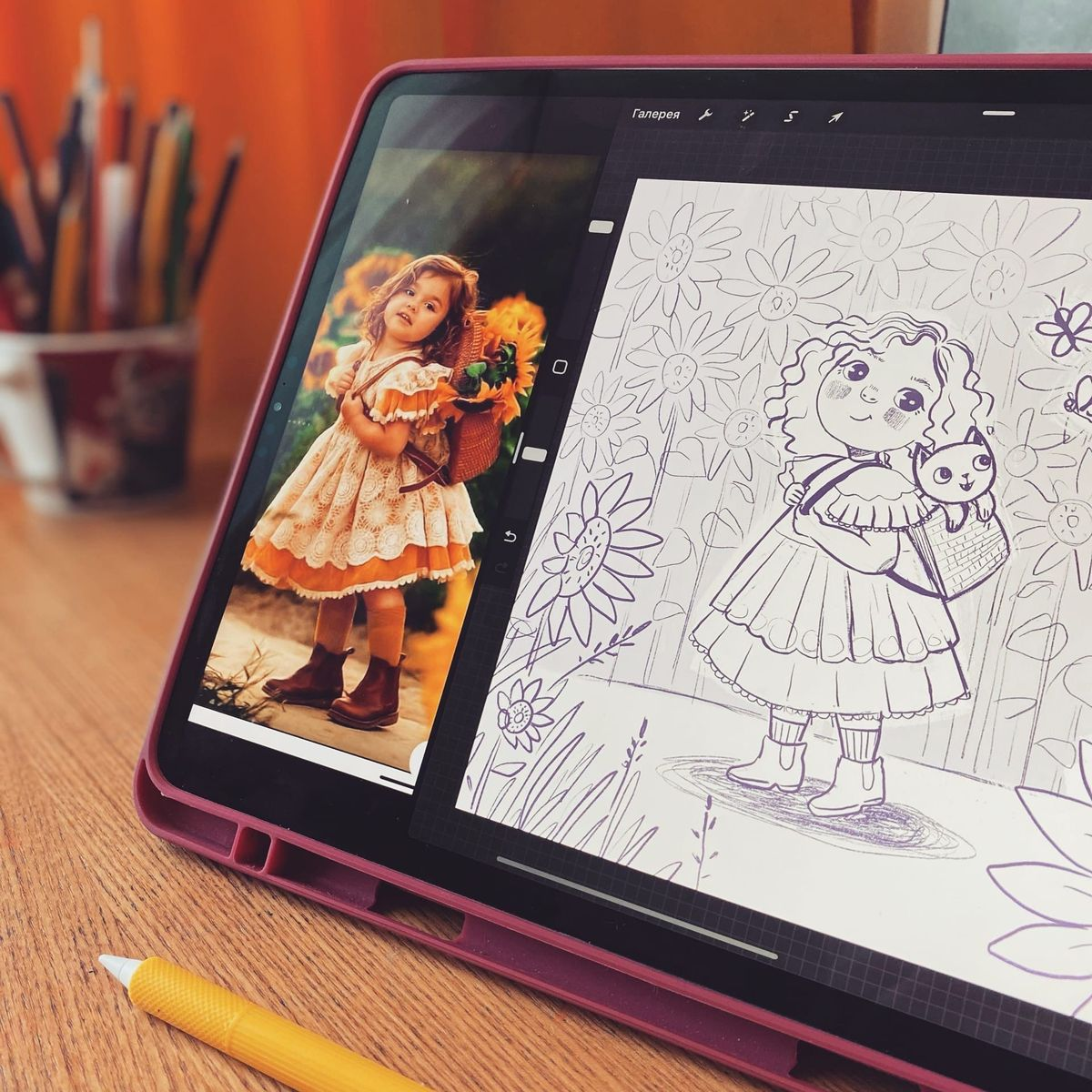
Most people assume illustrating a children’s book means sitting down, drawing something adorable, and calling it a day.
If only it worked like that.
In reality, illustration is where the story either comes alive or quietly falls apart. Kids notice everything. If a character suddenly looks different on page five, they notice. If the emotion feels wrong, they notice. If the pictures feel boring, they stop caring, even if the writing is great.
So if you’re wondering how to illustrate a children’s book, the honest answer isn’t “learn to draw better.” It’s learning how to think like a storyteller who happens to use pictures instead of sentences.
The Story Comes First. Always.
It sounds obvious, but many people start with sketches before they really understand the story. That usually creates extra work later.
You need to sit with the manuscript long enough that you can almost see it playing like a movie in your head. Where is the light coming from? Is the mood calm or chaotic? Are the characters nervous, excited, sleepy?
Illustrations don’t just show what’s happening. They show how it feels.
Sometimes the most powerful image on a page is not the action itself, but the reaction. A kid clutching a blanket. A parent smiling from the doorway. A dog watching quietly in the background. Those small details make the world believable.
Kids Fall in Love With Characters, Not Art Styles
Adults talk about watercolor techniques and digital brushes. Kids care about whether the character feels real.
That’s why expressions matter more than technical perfection. A slightly crooked drawing with genuine emotion will connect faster than something polished but stiff.
Consistency is huge too. Once you decide what a character looks like, they should stay recognizable. Same hair shape, same proportions, same visual personality. Children build familiarity quickly, and that familiarity becomes comfort.
Interestingly, research in early childhood learning shows that children process emotional cues from faces faster through images than through text. That means your illustrations are doing cognitive work, not just decorative work.
The Pages Need Rhythm, Not Just Pictures
One thing beginners don’t expect is how much planning goes into layout.
You’re not drawing random scenes. You’re creating movement from page to page. Some moments need a big spread that fills the entire space. Others need breathing room so the reader can pause.
Most picture books end up with somewhere around thirty illustrations, give or take. That surprises people, but when you think about page turns as part of storytelling, it makes sense.
Each turn is like a mini reveal.
Style Matters Less Than Honesty
People get stuck worrying about whether their style is “good enough.”
The truth is, there isn’t one correct style. There are bestselling books with loose sketches and bestselling books with highly detailed paintings. What matters is whether the style fits the tone of the story.
A quiet bedtime story shouldn’t feel loud visually. A silly adventure shouldn’t look stiff and formal. When style and story match, readers feel it immediately.
The Collaboration Reality
If you’re working with an author, the process becomes part creative and part communication.
There will be revisions. There will be moments where something doesn’t work. That’s normal. The best projects usually come from mutual trust, where both sides are open to ideas.
At Story Bridge Agency, we see this often when authors are preparing books for publication. Illustration choices don’t just affect the pages. They affect marketing, positioning, and how readers perceive the book overall. A strong visual identity can make discovery easier because it signals quality and intention right away.
In other words, illustration isn’t just art. It’s part of the book’s success strategy.
A Few Things People Don’t Expect
Children often decide if they like a book within seconds of seeing the cover. Bright color contrast helps younger readers stay engaged longer. And expressive characters improve emotional understanding even before kids can read fluently.
Those aren’t artistic opinions. They’re behavioral patterns.
Final Thoughts
Learning how to illustrate a children’s book isn’t about becoming perfect overnight.
It’s about paying attention. Watching how kids react. Letting characters develop personality. Allowing scenes to breathe.
If a child looks at your page and feels something, curiosity, comfort, excitement, you’ve already succeeded.
The rest is just technique.
FAQs
Do I need formal training to illustrate a children’s book?
No. Many illustrators are self-taught. Storytelling ability and consistency matter more than credentials.
How many illustrations are usually in a children’s book?
Most picture books contain around 25–35 illustrations depending on layout and page count.
Can authors illustrate their own books?
Yes. Some authors do both writing and illustration, though professional collaboration can improve quality.
How long does it take to illustrate a book?
It varies widely. Simple projects may take weeks, while detailed books can take months.
Is digital illustration required?
No. Traditional mediums are still used. Digital is simply more common for production convenience.
